Blue Origin Rocket Explosion: New Glenn Pad Disaster Details
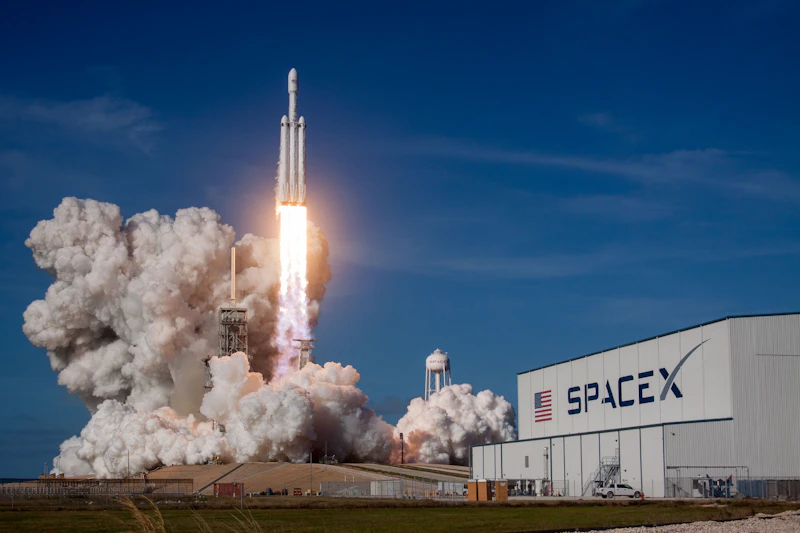
A catastrophic blue origin rocket explosion completely illuminated the Florida coastline Thursday night as the company’s heavy-lift vehicle suffered an catastrophic failure during a critical pre-flight engine test. The massive heavy-lift vehicle erupted into a giant ball of flame directly on its launch platform, sending shockwaves through the local aerospace sector and completely halting immediate flight schedules. Let us dive directly into the full tactical update regarding the damage report, the official statements from leadership, and what this structural setback means for future lunar commercial contracts.
What Happened During the New Glenn Hotfire Test
At approximately 9:00 PM ET on Thursday, May 28, 2026, Space Launch Complex 36 at the Cape Canaveral Space Force Station became the site of a historic aerospace emergency. Engineers were in the final phase of fueling operations ahead of a highly anticipated static fire test when the vehicle suffered what officials described as a major mechanical anomaly. Within split seconds of the main propulsion system igniting, a colossal explosion ripped through the base of the vehicle, totally destroying the 320-foot tall rocket and wrapping the entire facility structure in thick black smoke and intense debris flames.
Local onlookers from miles away reported hearing loud rumblings as the night sky turned bright orange from the intense propellant combustion. Fortunately, both company representatives and the Cape Canaveral Space Force Station confirmed that all on-site operations personnel were completely accounted for with zero injuries or fatalities reported. The 48 low-Earth orbit satellites built for Amazon’s Project Kuiper broadband network were luckily not mounted inside the payload fairing during the pad testing event, preventing an even bigger financial loss. However, Space Launch Complex 36 remains the only active pad built to accommodate this specific heavy configuration, and the structural damage to the ground support machinery is expected to take months to fully evaluate and rebuild.
Why It Matters for NASA and the Space Industry
This massive setback changes everything for the structural competitive timeline of the private space race, specifically impacting the deep-space timelines managed by federal agencies. The vehicle is a core structural element of NASA's ambitious Artemis moon exploration plans and the upcoming architecture intended to establish a permanent $20 billion lunar base. With the launchpad now essentially out of service for the foreseeable future, industry analysts suggest that Blue Origin is effectively knocked out of the near-term operational picture for the next year.
The situation also highlights the immense engineering difficulty of bringing heavy-lift launch options to market safely. Following the pad anomaly, company founder Jeff Bezos noted that while it was a very rough day, teams are already working around the clock to find the root technical cause and rebuild whatever is necessary. Meanwhile, competitors like Elon Musk expressed their regrets online, reminding the public that rockets are inherently hard to master. NASA Administrator Jared Isaacman stated that a comprehensive probe will be executed alongside commercial partners to assess the exact near-term impact on upcoming lunar manifest dates.
Key Takeaways from the Cape Canaveral Anomaly
- No Casualties: All ground crew and testing personnel are safe and completely uninjured.
- Payload Saved: The 48 Amazon Project Kuiper internet satellites were safely stored away from the pad.
- Pad Infrastructure Damaged: Space Launch Complex 36, the vehicle's only compatible pad, sustained severe structural damage.
- Lunar Timeline Risk: The incident creates major bottlenecks for NASA's Artemis lunar lander schedules.
- Investigation Launched: Engineers and flight safety officials are actively tracking telemetry to identify the root failure cause.
Frequently Asked Questions (FAQs)
1. Who owns Blue Origin?
The private aerospace manufacturing and spaceflight services company is owned by Amazon founder Jeff Bezos.
2. Can you buy Blue Origin stock on the market?
No, Blue Origin is currently a privately held company and does not trade publicly on any stock exchange.
3. What caused the blue origin rocket explosion?
The exact root cause is still unknown; an official investigation is underway following an anomaly during a static hotfire pad test.
4. Were there any injuries from the Cape Canaveral explosion today?
No, all personnel were successfully accounted for and no injuries or fatalities occurred during the incident.
Conclusion
The fiery dramatic event reminding the world that spaceflight remains completely unforgiving has sent shockwaves through the global space sector. The long-term industrial consequences of this sudden blue origin rocket explosion will likely reshape commercial satellite deployment timelines for the remainder of the year. Stay tuned to our platform for more real-time technical updates as the formal engineering review boards release their initial data findings.


Comments
Post a Comment