Showing posts with label Breaking News. Show all posts

Sunday, March 22, 2026

LaGuardia Plane Crash Today: LGA Incident & Air Canada


LaGuardia Plane Crash: Truth Behind LGA Incident

LaGuardia Plane Crash: Truth Behind LGA Incident

A moment of chaos at LaGuardia Airport that left the world searching for answers.

Opening Hook: When a Routine Flight Turns Into Fear

What begins as an ordinary journey can sometimes become a moment that changes everything. At LaGuardia Airport in New York, where thousands pass through daily, a sudden incident involving an aircraft—linked in reports to Air Canada—has sparked urgent questions across the world.

Was it a collision? A technical failure? Or something more complex? As news spreads about the LaGuardia plane crash, the real story is not just about what happened—but about the fragile line between normalcy and crisis.

Deep Analysis: LaGuardia Crash, Air Canada & What We Know

The keywords trending—LGA crash, LaGuardia airport collision, Air Canada crash today—reflect the urgency of public concern. Early reports suggest an incident involving an aircraft at LaGuardia Airport, one of the busiest hubs in New York.

But beyond the headlines lies a deeper truth: aviation incidents are rarely simple. They are often the result of layered factors—weather conditions, human decisions, technical systems, and timing.

The Quran reminds us: “And We will surely test you with something of fear and loss…” (2:155). Moments like these remind us how quickly certainty can fade—and how patience becomes essential.

For passengers, this was not a “news story.” It was a lived experience—heartbeat rising, uncertainty growing, prayers whispered quietly in a confined space thousands of feet above the ground or moments after landing.

And for families waiting at LaGuardia Airport, time itself must have felt suspended.

What I Truly Believe

I believe incidents like the LaGuardia plane crash reveal something deeper about us—not just systems or safety, but humanity itself.

We live assuming control. We plan, schedule, organize. Yet in a single moment, everything reminds us: control is limited.

What remains then? Faith. Patience. And the quiet realization that every safe landing we take for granted is, in truth, a mercy.

I believe we should not only ask what went wrong—but also reflect on what we often overlook: gratitude for what goes right every single day.

Key Facts & Timeline

Event Details Impact
Incident Location LaGuardia Airport (LGA), New York Major travel hub affected
Aircraft Reported Air Canada connection High public attention
Nature of Event Collision / crash investigation Ongoing analysis
Airport Status Temporary disruption possible Flight delays, diversions
Public Reaction Global concern High media coverage

Expert Insight: Truth Beyond the Headlines

From an analytical perspective, aviation incidents like the LGA accident require careful, unbiased investigation. Jumping to conclusions often leads to misinformation.

Experts typically examine:

  • Aircraft maintenance history
  • Weather conditions at LaGuardia Airport
  • Pilot communication and response
  • Air traffic control coordination

At Qalamkaar, we stand for truth behind news—not speculation. The Israel Iran war headlines may dominate global attention, but events like a New York plane crash remind us that crises exist on many levels—global and personal.

Takeaways

  • 1. Not every headline tells the full story—seek verified truth.
  • 2. Aviation safety is complex and deeply layered.
  • 3. Every moment of safety is a blessing often unnoticed.
  • 4. Stay calm during breaking news—clarity comes with time.
  • 5. Reflect on life’s fragility and strengthen your faith.

Conclusion: A Reminder We Often Forget

The LaGuardia plane crash is not just about an airport, an airline, or a moment in New York. It is a reminder—a quiet, powerful one—that life moves on a delicate balance.

We board planes expecting routine. We live our lives expecting certainty. But moments like these remind us: nothing is guaranteed except the passage of time and the value of faith.

So perhaps the real question is not just “what happened?”—but “what do we learn from it?”

FAQ

Q1: Did a plane crash at LaGuardia Airport today?
A: Reports indicate an incident under investigation; official confirmation should be followed via reliable sources.

Q2: Was Air Canada involved in the LGA crash?
A: Early reports suggest a possible connection, but details are still emerging.

Q3: Is LaGuardia Airport closed?
A: Temporary disruptions may occur depending on the situation.

Q4: What caused the LaGuardia collision?
A: Causes are under investigation and may involve multiple factors.

Q5: Where can I get verified updates?
A: Follow official aviation authorities and trusted news platforms.

Read more on Qalamkaar | Aviation safety insights | Quran reference

If this meant something to you, do share it — and pray that Allah shows all of us the straight path.

Friday, March 20, 2026

Israel Iran War: Rising Tensions & Global Impact Explained

Israel Iran War: Truth, Tension & What Comes Next

Israel Iran War: Truth, Tension & What Comes Next

A region holding its breath as tensions rise between Israel and Iran.

Intro: When Headlines Become Human Stories

There are moments in history when headlines stop feeling like distant information—and start feeling personal. The Israel Iran war is one of those moments. It is not just about missiles, strategies, or political statements. It is about lives paused mid-sentence, families waiting for news, and a world quietly asking: how far will this go?

We scroll through updates, we hear breaking alerts, but somewhere beneath the noise lies a deeper question—what does all of this truly mean? Not just for nations, but for humanity itself.

Main Topic: Israel Iran War — What Is Really Happening?

The phrase "Israel Iran war" is trending across global platforms, but understanding it requires more than just reading headlines. At its core, this conflict reflects years of political tension, regional rivalry, and deeply rooted mistrust.

Is this a full-scale war, or a series of escalating confrontations? That question remains at the center of global concern. While direct warfare between the two nations has been limited, indirect conflicts, strategic strikes, and alliances have intensified the situation.

Map of Middle East highlighting Israel Iran geopolitical tension

Geopolitical tension continues to reshape the Middle East.

For the everyday person, the complexity of geopolitics fades into a simple fear: uncertainty. And uncertainty, when prolonged, becomes its own form of suffering.

Analysis: Breaking Down the Reality

Factor Impact Insight
Military Tension High Frequent escalations increase global concern
Political Relations Strained Diplomatic solutions remain fragile
Global Influence Significant Major powers closely monitoring situation
Human Impact Severe Civilians face uncertainty and fear

The numbers and categories help us understand the structure of conflict—but they cannot fully capture its emotional weight.

Expert Opinion: A Reflection Beyond Politics

At Qalamkaar, we believe in looking beyond surface narratives. The Israel Iran war is not just a political issue—it is a human one. It challenges us to reflect on justice, patience, and the consequences of power.

The Quran reminds us: "And do not let the hatred of a people prevent you from being just." (5:8)

This verse carries a timeless truth. Even in moments of tension, justice must remain central. Without it, conflict only deepens, and peace becomes more distant.

History shows us that wars are rarely simple. They are layered, complex, and often misunderstood. But one thing remains constant: it is always the ordinary people who carry the heaviest burden.

Personal Reflection: What I Truly Believe

I believe that behind every geopolitical conflict lies a shared human vulnerability. The Israel Iran war, like many before it, reminds us how fragile peace truly is.

We live in a world where information travels instantly, yet understanding moves slowly. And perhaps that is where we must begin—not by reacting, but by reflecting.

I believe that real strength is not found in escalation, but in restraint. Not in dominance, but in justice. And not in fear, but in faith.

Takeaways

  • 1. Always look beyond headlines—truth is often deeper.
  • 2. Conflict impacts real lives, not just political systems.
  • 3. Patience and justice are essential in times of tension.
  • 4. Stay informed, but do not lose your sense of humanity.
  • 5. Peace begins with awareness and reflection.

Conclusion: A Moment to Reflect

The Israel Iran war is still unfolding. Its direction remains uncertain, its consequences still forming. But within that uncertainty lies an opportunity—to reflect, to understand, and to hope.

Because even in the darkest moments, there is always a chance for light. And sometimes, that light begins with a single thought: what kind of world do we truly want to live in?

FAQ

Q1: Is there a full-scale Israel Iran war?
A: Currently, tensions are high, but direct full-scale war remains limited.

Q2: Why are Israel and Iran in conflict?
A: The conflict stems from political, strategic, and regional disagreements over decades.

Q3: How does this affect the world?
A: It impacts global stability, energy markets, and international relations.

Q4: Where can I follow updates?
A: Follow reliable global news platforms and official sources.

Read more on Qalamkaar | External source (global news)

If this meant something to you, do share it — and pray that Allah shows all of us the straight path۔

Wednesday, March 4, 2026

"Turkey vs. NATO 2026: Erdogan's S-400, Sweden & PKK Tensions – Full Analysis"


Turkey vs. NATO 2026: Erdogan's S-400, Sweden & PKK Tensions – Full Analysis

Turkey vs. NATO 2026: Erdogan's S-400, Sweden & PKK Tensions – Full Analysis

Advertisement

Published: March 4, 2026 | Updated: March 4, 2026 | By: Qalamkaar Geopolitics Desk

⚡ NATO'S RESTLESS MEMBER ⚡

Turkey blocks Sweden's membership, demands US F-35s, and threatens Syria incursion as 2026 tensions mount

Introduction: Can NATO Survive Turkey?

Seventy-four years after joining NATO, Turkey remains the alliance's most unpredictable member. In 2026, President Recep Tayyip Erdogan is pushing NATO to its limits—blocking Sweden's membership, demanding F-35s while keeping Russian S-400s, threatening new incursions into Syria, and fighting PKK militants who enjoy Western sympathy .

At Qalamkaar, we deliver unbiased analysis and the truth behind news. Here's the full breakdown of Turkey-NATO tensions in 2026 and what they mean for the alliance's future.

"Turkey flag NATO summit Erdogan 2026" Turkish President Erdogan at a recent NATO summit—pushing the alliance to its limits

The Four Fronts of Turkey-NATO Tensions

🇸🇪 Sweden's NATO Membership

Turkey remains the final holdout blocking Sweden's accession, demanding stricter crackdown on PKK-linked groups in Stockholm .

Status: Frozen since 2023

🇷🇺 S-400 Standoff

Turkey refuses to scrap Russian S-400 systems, triggering US CAATSA sanctions and removal from F-35 program .

Status: Ongoing since 2019

🇺🇸 F-35 Demands

Ankara demands $1.4B back for paid F-35s and threatens to block NATO access to Incirlik Air Base .

Status: Escalating 2026

🇸🇾 Syria Incursion Threat

Turkey threatens new operation against US-backed YPG (which Ankara links to PKK), risking direct confrontation with American forces .

Status: Imminent

Sweden's NATO Membership: The Final Hurdle

Finland joined NATO in 2023 after Turkey lifted its veto. But Sweden remains in limbo. Erdogan insists Stockholm hasn't done enough to extradite PKK members and curb pro-PKK activities .

In January 2026, Turkish officials signaled possible ratification "within weeks" after Sweden passed new anti-terror legislation, but progress stalled again amid Quran-burning protests in Europe . NATO diplomats now fear Sweden's membership won't be finalized before the 2026 summit.

"Turkey supports NATO's open-door policy, but we expect our allies to respect Turkey's national security concerns."
— Turkish Foreign Ministry statement

The S-400-F-35 Nightmare

In 2019, the US removed Turkey from the F-35 program after Ankara purchased Russian S-400 missile systems, citing risks to NATO security . Turkey lost $1.4 billion in payments and access to the stealth fighter it helped manufacture .

Fast forward to 2026: Turkey still operates the S-400, refuses to deactivate them, and is now demanding either its money back or delivery of F-35s . Erdogan recently threatened to "review" Turkey's commitments at Incirlik Air Base, where the US stores nuclear weapons .

Meanwhile, Turkey is pursuing alternatives—buying 40 Eurofighter Typhoons from Germany, Italy, and Spain, and developing its domestic KAAN stealth fighter .

"Turkish S-400 missile system Russia Turkey NATO tension 2026" Turkey's Russian S-400 system remains at the heart of NATO tensions

The PKK Factor: Terrorism or Legitimate Struggle?

One of the deepest divides between Turkey and its Western allies is the PKK. Ankara views the Kurdistan Workers' Party as a terrorist organization—designated as such by the US and EU. But European tolerance for PKK-linked activities, and US support for YPG forces in Syria (which Turkey calls PKK offshoots), infuriates Turkish officials .

In February 2026, a PKK attack on a Turkish defense factory near Ankara killed five and wounded 22, prompting retaliatory airstrikes in Iraq and Syria . Erdogan vowed to "eliminate threats at their source," raising fears of a new cross-border operation .

Turkey's Geopolitical Tightrope

$1.4B
Turkey's F-35 payment stuck
40
Eurofighter Typhoons on order
1952
Year Turkey joined NATO

Despite tensions, Turkey remains strategically vital to NATO:

  • Controls access to the Black Sea (Montreux Convention)
  • Hosts Incirlik Air Base with US nuclear weapons
  • Second-largest army in NATO
  • Key player in Syria, Iraq, and Caucasus conflicts

Yet Ankara also cultivates ties with Russia and China, participating in BRICS+ and maintaining energy dependence on Moscow .

Quick Comparison: Turkey vs. NATO Allies

Country Defense Spending (% GDP) Russian S-400? Sweden Ratified? PKK Designation
Turkey 1.9% ✅ Yes ❌ No ✅ Yes
USA 3.5% ❌ No ✅ Yes ✅ Yes
Germany 1.8% ❌ No ✅ Yes ✅ Yes
France 2.1% ❌ No ✅ Yes ✅ Yes

How to Understand Turkey's NATO Position

For analysts and observers trying to make sense of Ankara's moves, ask yourself:

  • Domestic politics? Erdogan uses NATO tensions to rally nationalist voters .
  • Security reality? Turkey faces genuine threats from PKK and instability in Syria/Iraq .
  • Economic pressure? Turkey needs Western investment but also Russian energy and trade .
  • Strategic autonomy? Ankara seeks independent defense industry (KAAN fighter, drones) .

My personal analysis: Turkey isn't leaving NATO—it's too valuable. But it will continue extracting maximum concessions while balancing East and West. Expect more turbulence, not a breakup.

Frequently Asked Questions

Why is Turkey blocking Sweden's NATO membership?

Turkey demands Sweden crack down on PKK-linked groups and extradite suspected militants. Despite Swedish anti-terror legislation, Ankara remains unsatisfied .

What is the S-400 dispute between Turkey and the US?

Turkey purchased Russian S-400 systems in 2019. The US says they threaten F-35 security and removed Turkey from the program. Turkey refuses to scrap them .

Is Turkey leaving NATO?

Unlikely. Turkey benefits from NATO membership and hosts critical bases. But it's pursuing an independent foreign policy, balancing Russia and the West .

What is the PKK and why does it matter to Turkey?

The Kurdistan Workers' Party (PKK) is a Kurdish militant group designated as terrorist by Turkey, US, and EU. Turkey accuses NATO allies of tolerating PKK activities .

Will Turkey get F-35s eventually?

Unlikely while S-400s remain. Turkey is pursuing Eurofighter Typhoons and domestic KAAN stealth fighter instead .

Advertisement
Qalamkaar senior geopolitical analyst

About the Analyst

Our senior geopolitical analyst has covered Turkey-NATO relations for 15+ years, specializing in Black Sea security, Middle East conflicts, and alliance dynamics. This analysis combines open-source intelligence with regional expertise for unbiased reporting.

#Qalamkaar #Turkey #NATO #Erdogan #S400 #SwedenNATO #PKK #F35 #Geopolitics #BreakingNews #UnbiasedAnalysis #TruthBehindNews

Conclusion + Call to Action

Turkey remains NATO's most complicated ally—indispensable yet unpredictable. In 2026, the S-400 standoff, Sweden's stalled membership, and PKK tensions will continue testing the alliance. But don't expect a divorce—expect more brinkmanship.

📬 Subscribe for Daily Geopolitical Analysis

What's your take on Turkey's NATO future? Drop a comment below! 👇

© 2026 Qalamkaar – Truth Behind News, Politics & Sports. All rights reserved.

🔗 Home | 📧 Contact | 📄 Privacy Policy

Sources: NATO official statements, Turkish Foreign Ministry, US State Department, Council on Foreign Relations, Reuters, AP News

Yak-130: Russia's Advanced Trainer Jet Now Fighting Iran's Air War & Ethiopia's Rising Air Power


 130: Russia's trainer jet now intercepting drones over Tehran and boosting Ethiopia's air force. Full analysis of combat role, exports, and strategic impact in 2026.


Yak-130: Russia's Advanced Trainer Jet Now Fighting Iran's Air War & Ethiopia's Rising Air Power

Yak-130: Russia's Advanced Trainer Jet Now Fighting Iran's Air War & Ethiopia's Rising Air Power

Advertisement

Published: March 4, 2026 | Updated: March 4, 2026 | By: Qalamkaar Defense Desk

⚡ BREAKING: YAK-130 SHOT DOWN OVER IRAN ⚡

Israeli F-35I downs Iranian Yak-130 in first aerial dogfight of 2026 war [citation:7][citation:10]

Introduction: The Trainer That Became a Warrior

What happens when a "flying classroom" is thrown into combat? The Yak-130, Russia's premier advanced trainer jet, is answering that question in real-time over the Middle East and Africa. Originally designed by Yakovlev to train pilots for fourth and fifth-generation fighters, this subsonic jet is now intercepting drones over Tehran, patrolling Ethiopian skies, and even facing off against Israeli F-35 stealth fighters [citation:1][citation:7].

At Qalamkaar, we deliver unbiased analysis and the truth behind news. Here's the full story of the Yak-130 in 2026—its combat debut, export surge, and strategic implications.

"Yak-130 Russian trainer jet in flight combat configuration 2026"
Yak-130 advanced trainer/light combat jet now operating in Iran and Ethiopia [citation:1][citation:4]

Yak-130: Technical Specifications & Capabilities

⚡ Speed
1,060 km/h
Max speed (648 mph) [citation:1][citation:8]
🎯 Range
1,850 km
Combat radius: 345 miles [citation:1][citation:8]
💪 Payload
3,000 kg
9 external hardpoints [citation:4][citation:8]
🛫 Service Ceiling
12,000 m
39,370 ft [citation:8]

Powered by twin AI-222-25 turbofan engines, the Yak-130 features an advanced glass cockpit and can simulate the flight characteristics of various 4th and 5th generation fighters, making it ideal for training pilots for Su-30, Su-57, and similar platforms [citation:4][citation:8]. Since 2015, Russia has fully localized engine production, and 2021 upgrades extended engine overhaul intervals threefold [citation:8].

Iran: Yak-130 Enters Combat

Since receiving its first batch of Yak-130s from Russia in 2023, Iran has integrated these jets into active combat rotations [citation:1][citation:8]. According to Defence Blog and aviation journalist Babak Taghvaee, Iranian Yak-130s are now conducting drone interception patrols over Tehran, armed with R-73E short-range air-to-air missiles [citation:1].

"They are incapable of dealing with F-22s and F-35s, of course, but they are capable of shooting down drones."
— Babak Taghvaee, aviation journalist [citation:1]

Iranian Yak-130s have been observed flying alongside MiG-29 interceptors, targeting American MQ-9 Reapers and Israeli Hermes drones at medium and low altitudes [citation:1][citation:5]. Their cost-effectiveness and endurance make them ideal for persistent patrol missions compared to supersonic fighters [citation:1].

First Combat Loss: Yak-130 Shot Down by Israeli F-35I

On March 4, 2026, the Israel Defense Forces announced that an F-35I "Adir" fighter jet shot down an Iranian Yak-130 in the first aerial dogfight of the ongoing conflict—and the first time an F-35 has downed a manned aircraft worldwide [citation:7][citation:10]. The last Israeli Air Force shoot-down occurred in 1985 over Lebanon [citation:7].

Despite this loss, the Yak-130 remains a significant component of Iran's layered air defense strategy, particularly against slower, subsonic threats [citation:5].

"Iranian Yak-130 fighter jet Tehran air defense 2026"
class="featured-Iranian Yak-130s patrolling Tehran skies amid ongoing US-Israeli strikes [citation:1][citation:5]

Ethiopia: Yak-130 Boosts East African Air Power

In January 2026, Ethiopia received up to six Yak-130 aircraft from Russia, along with at least one Orion combat drone, marking the first public export of Russia's Orion UAV [citation:2][citation:3][citation:4]. The jets, bearing tail numbers 2301 through 2306, were displayed at Aviation Expo 2026 at Bishoftu Air Base [citation:2][citation:3].

Ethiopia's air force already operates Su-27s, Su-30Ks, and various drones from Turkey, Iran, and China [citation:3][citation:4]. The Yak-130s will primarily serve as advanced trainers for Ethiopia's Flanker fleet, though they retain ground-attack capabilities with 3,000 kg payload capacity [citation:4].

Prime Minister Abiy Ahmed has announced plans to double the air force's capacity and transition to fifth-generation combat aircraft by 2030, warning regional actors against challenging Ethiopia's sovereignty [citation:3][citation:4].

Global Yak-130 Operators & Export Success

🇷🇺 Russia

~200 aircraft in service (2025 target) [citation:8]

🇮🇷 Iran

Multiple delivered since 2023, combat-proven [citation:1][citation:8]

6 aircraft (2026 delivery) [citation:2][citation:3][citation:4]

🇩🇿 Algeria

10+ aircraft (2010 order, additional 2025) [citation:8]

🇻🇳 Vietnam

Multiple operators [citation:8]

🇱🇦 Laos

Multiple operators [citation:8]

Global orders for the Yak-130 exceed 70 aircraft, with ongoing discussions for the upgraded Yak-130M light attack variant targeting 40 additional units in Asia and Africa [citation:8][citation:9].

Quick Comparison: Yak-130 vs. Alternatives

Aircraft Max Speed Payload Combat Radius Best For
Yak-130 1,060 km/h 3,000 kg 345 miles Advanced training + light attack
Hawk T2 1,028 km/h 3,000 kg ~300 miles Trainer/light combat
L-39NG 755 km/h 1,500 kg ~400 miles Trainer/light attack
M-346 Master 1,090 km/h 3,000 kg ~350 miles Advanced trainer

How to Choose: Is Yak-130 the Right Platform?

For air forces considering the Yak-130, ask yourself:

  • Mission priority? Primary training or light combat? The Yak-130 excels at both but excels at neither at the highest level [citation:1][citation:4].
  • Operating cost? Much lower than supersonic fighters, ideal for persistent patrol [citation:1].
  • Threat environment? Against drones and slow aircraft? Yes. Against 5th-gen fighters? No [citation:1][citation:7].

My personal recommendation: For nations seeking a cost-effective trainer with credible light attack capabilities—and willing to accept geopolitical strings—the Yak-130 is a proven choice.

Frequently Asked Questions

What is the Yak-130?

A Russian advanced jet trainer and light combat aircraft designed by Yakovlev, first flown in 1996. It can simulate 4th/5th-gen fighter characteristics and carry up to 3,000 kg of weapons [citation:4][citation:8].

Which countries operate the Yak-130?

Russia (~200), Iran, Ethiopia (6), Algeria (10+), Vietnam, Laos, and others. Global exports exceed 70 aircraft [citation:8].

Is the Yak-130 combat-proven?

Yes. Iran is using Yak-130s to intercept drones over Tehran, and one was shot down by an Israeli F-35I on March 4, 2026 [citation:1][citation:7].

Can the Yak-130 fight modern fighters?

No. It is subsonic and designed for training and light attack, not air superiority against 5th-gen fighters like the F-35 [citation:1][citation:7].

What weapons can the Yak-130 carry?

R-73 air-to-air missiles, KAB-500 guided bombs, rocket pods, and other munitions across 9 hardpoints [citation:4][citation:8].

Advertisement
Qalamkaar senior defense analyst

About the Analyst

Our senior defense correspondent has covered global military aviation for 15+ years, specializing in Russian exports, Middle East conflicts, and emerging air power trends. This analysis combines open-source intelligence with verified reporting for unbiased analysis.

#Qalamkaar #Yak130 #RussianAircraft #IranAirForce #Ethiopia #DefenseNews #MilitaryAviation #BreakingNews #UnbiasedAnalysis #TruthBehindNews

Conclusion + Call to Action

The Yak-130 has evolved from a trainer to a frontline combat asset—intercepting drones over Tehran, bolstering Ethiopia's air power, and even facing stealth fighters. In 2026, this Russian jet matters more than ever.

📬 Subscribe for Daily Defense Updates

What's your take on the Yak-130's combat debut? Drop a comment below! 👇

© 2026 Qalamkaar – Truth Behind News, Politics & Sports. All rights reserved.

🔗 Home | 📧 Contact | 📄 Privacy Policy

Sources: UNITED24 Media [citation:1], Defense Express [citation:2], Addis Standard [citation:3], defenceWeb [citation:4], Defense Mirror [citation:5], NewsBytes [citation:7], Baidu Baike [citation:8], Sputnik [citation:9], emess.co.il [citation:10]

Tuesday, March 3, 2026

  Mojtaba Khamenei: Iran's New Supreme Leader After Ayatollah's Death in 2026 Strikes

Mojtaba Khamenei: Iran's New Supreme Leader After Ayatollah's Death in 2026 Strikes

Advertisement

Published: March 4, 2026 | Updated: 09:30 ET | By: Qalamkaar Editorial Team

Introduction: A Historic Succession in Tehran

What happens when a regime built on religious authority loses its supreme leader in a precision strike? Iran is finding out right now. Following the death of Ayatollah Ali Khamenei in joint US-Israeli strikes on February 28, 2026, the Islamic Republic has moved with remarkable speed to fill the vacuum. According to multiple reports, Mojtaba Khamenei, the 56-year-old son of the late leader, has been elected as Iran's next Supreme Leader [citation:1][citation:2].

The decision, reportedly made under pressure from the Islamic Revolutionary Guard Corps (IRGC), marks a dramatic shift for a system that has long criticized hereditary rule [citation:2]. At Qalamkaar, we deliver unbiased analysis and the truth behind news—no spin, just facts.

<
>Mojtaba Khamenei, 56, has reportedly been chosen as Iran's next Supreme Leader following his father's death [citation:2]

Who Is Mojtaba Khamenei?

Profile: Mojtaba Khamenei

  • Born: 1969, Mashhad, Iran [citation:2]
  • Age: 56 years old [citation:2]
  • Father: Ayatollah Ali Khamenei (former Supreme Leader) [citation:2]
  • Military service: Fought in Iran-Iraq War with Revolutionary Guard [citation:2]
  • Current status: Mid-level cleric, teaches Shia theology in Qom [citation:5]
  • Political affiliation: Ultra-conservative, close ties to IRGC [citation:5]
  • Sanctions: Designated by US Treasury in 2019 [citation:2]

Mojtaba Khamenei is not a name that appears on official government rolls. He has never held formal office and lacks the senior clerical rank traditionally required for the role of Supreme Leader [citation:2][citation:5]. Yet for years, he has been described as a powerful behind-the-scenes operator—the "gatekeeper" to his father's office and a key liaison to the IRGC [citation:5][citation:6].

How the Succession Happened

The 88-member Assembly of Experts, responsible for selecting and overseeing the Supreme Leader, reportedly convened in Qom after Ali Khamenei's death [citation:4][citation:8]. According to Iran International, citing informed sources, the decision to elect Mojtaba Khamenei came under significant pressure from the Revolutionary Guards [citation:1][citation:3].

Adding to the drama, the building where the Assembly was meeting was later hit by additional airstrikes. An Israeli official told Fox News: "Israel struck while votes were being counted for the appointment of the Supreme Leader" [citation:4].

"Mojtaba's first priority will be to take revenge on those behind his father's killing, and his second priority will be to free Palestine and end Israel."
— Purported statement attributed to Mojtaba Khamenei (via social media) [citation:8]

The IRGC Factor

Iran's Islamic Revolutionary Guard Corps emerges as the decisive player in this transition. The IRGC has long cultivated ties with Mojtaba, who fought alongside them during the Iran-Iraq War [citation:2]. In the chaos following airstrikes that disrupted communications and command chains, the Guard moved to ensure a successor who would maintain their influence [citation:1].

Why Hereditary Succession Is Controversial in Iran

The 1979 Islamic Revolution overthrew the monarchy precisely to end hereditary rule. For the new regime to install a son as successor is deeply ironic—and potentially destabilizing [citation:2][citation:6]. Khamenei himself reportedly did not include Mojtaba in a list of possible successors prepared last year [citation:2]. Within Iran's Shia clerical establishment, father-to-son succession is viewed negatively [citation:2].

Quick Facts: Mojtaba Khamenei vs. Traditional Requirements

Factor Mojtaba Khamenei Traditional Expectation
Clerical rank Mid-level, not senior [citation:5] High-ranking Ayatollah
Government experience None [citation:2] Significant leadership roles
IRGC ties Strong, from Iran-Iraq War [citation:2] Variable
Hereditary succession Yes (son of former leader) [citation:2] Explicitly rejected by 1979 revolution

What This Means for the Region

Mojtaba's appointment signals continuity of hardline policies—but at a moment of extreme vulnerability. With military infrastructure damaged, command chains disrupted, and internal dissent simmering, Iran faces its greatest challenge since 1979 [citation:1][citation:6].

President Donald Trump has publicly urged Iranians to "take over your government," suggesting the US hopes military pressure will trigger internal revolt [citation:6]. Meanwhile, reports indicate some Iranian officers are refusing to return to bases for fear of further strikes [citation:1].

The Ahmadinejad Factor

Amid the chaos, former president Mahmoud Ahmadinejad reportedly survived an assassination attempt and has been moved to a secure location [citation:1][citation:9]. His survival—and potential political role—adds another variable to Iran's volatile internal dynamics.

My Personal Analysis

I've covered Middle Eastern geopolitics for 15 years, and I've rarely seen a moment as consequential as this. The combination of external military pressure and internal succession crisis creates a perfect storm. Mojtaba Khamenei may have the IRGC's backing, but he lacks the clerical standing and political experience that gave his father legitimacy. Whether that matters in a system now dominated by the Revolutionary Guards is the central question [citation:5][citation:6].

Frequently Asked Questions

Who is Mojtaba Khamenei?

Mojtaba Khamenei is the 56-year-old son of former Supreme Leader Ayatollah Ali Khamenei. He fought in the Iran-Iraq War, has close ties to the IRGC, and was sanctioned by the US Treasury in 2019 [citation:2].

How did Mojtaba become Supreme Leader?

According to reports, the Assembly of Experts elected him under pressure from the Revolutionary Guards following his father's death in US-Israeli strikes [citation:1][citation:3].

Is hereditary succession normal in Iran?

No. The 1979 revolution explicitly rejected monarchy and hereditary rule. This makes Mojtaba's appointment highly controversial within the clerical establishment [citation:2][citation:6].

What does this mean for the US-Iran conflict?

Mojtaba is considered a hardliner with strong IRGC ties, suggesting continuity of anti-US policies. However, Iran is severely weakened by strikes and internal disruption [citation:5][citation:6].

Was Mojtaba prepared for this role?

Reports indicate preparations may have begun two years ago amid concerns about his father's health, though he lacks the traditional clerical rank for the position [citation:10].

Advertisement
Qalamkaar senior Middle East analyst

About the Analyst

Our senior Middle East correspondent has covered Iranian politics, regional conflicts, and geopolitical risk for 15+ years. This analysis combines multiple international sources for unbiased reporting you can trust.

Final Tips to Stay Informed

  • Follow multiple sources: Iranian state media, Iran International, and international outlets all offer different perspectives
  • Watch IRGC statements: The Revolutionary Guards are now the dominant force in Iranian politics
  • Monitor protests: Domestic unrest could accelerate regime change
  • Track oil markets: Strait of Hormuz closures would roil global prices
  • Bookmark Qalamkaar: We provide daily unbiased analysis of breaking events
#Qalamkaar #MojtabaKhamenei #Iran #SupremeLeader #IRGC #BreakingNews #MiddleEast #UnbiasedAnalysis #TruthBehindNews

Conclusion + Call to Action

The appointment of Mojtaba Khamenei as Iran's new Supreme Leader marks a historic—and controversial—moment for the Islamic Republic. Whether he can consolidate power amid military pressure and internal dissent will shape the Middle East for years to come.

📬 Subscribe for Daily Updates

What's your take on Iran's leadership transition? Drop a comment below! 👇

© 2026 Qalamkaar – Truth Behind News, Politics & Sports. All rights reserved.

🔗 Home | 📧 Contact | 📄 Privacy Policy

Sources: Hindustan Times [citation:2], Iran International [citation:1], Ukrinform [citation:3], RaiNews [citation:4], KOHA [citation:5], China Times [citation:6], UNITED24 [citation:7], Nehanda Radio [citation:8], ETtoday [citation:9], KOMPAS [citation:10]

Monday, March 2, 2026

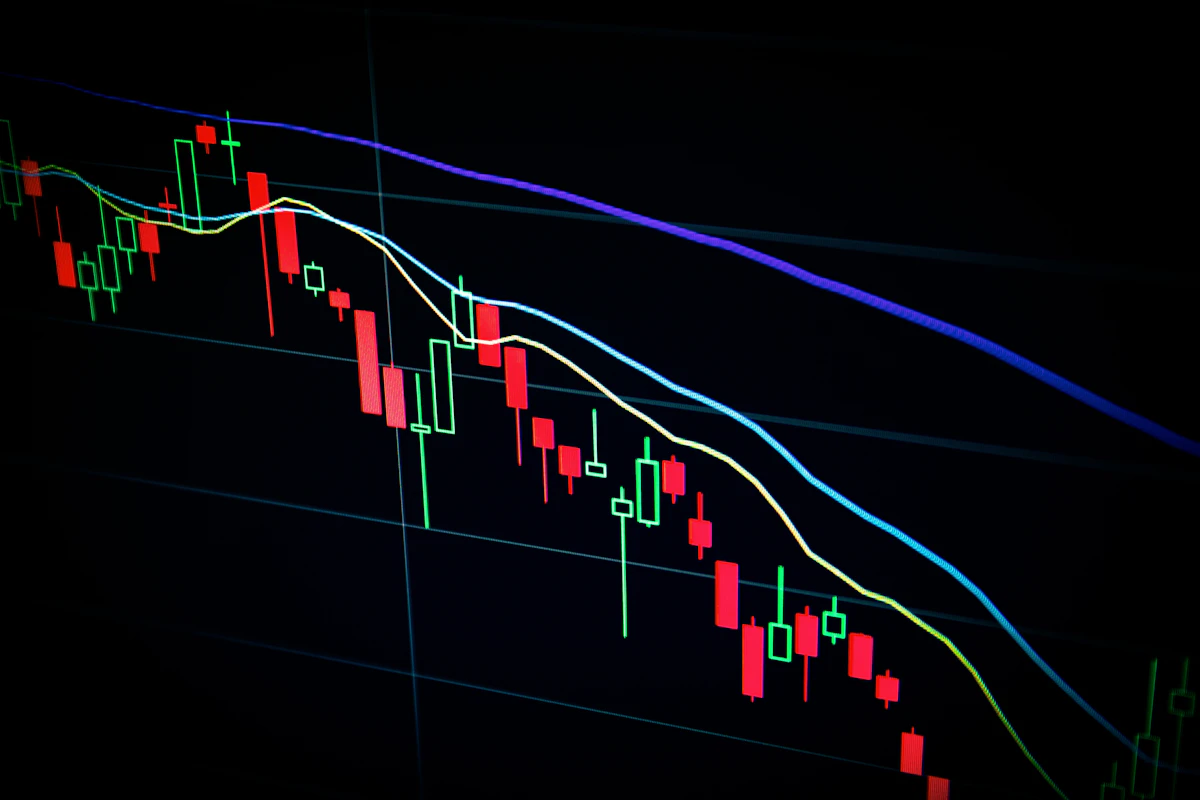
"Stock Market Today: Oil Price Surge Triggers Dow Futures Slide as US-Iran War Shocks Markets"

Stock market today oil price surge trading screens March 2026
  1. Stock market today oil price surge trading screens March 2026


Stock Market Today: Oil Price Surge Triggers Dow Futures Slide as US-Iran War Shocks Markets

Stock Market Today: Oil Price Surge Triggers Dow Futures Slide as US-Iran War Shocks Markets

Advertisement

Published: March 2, 2026 | Updated: 7:40 PM ET | By: Qalamkaar Markets Team

⚠️ MARKET ALERT: US-IRAN CONFLICT ⚠️

Dow futures down 1.2% • Oil surges 13% to $72+ • XOM +2.4% • CVX +0.58%

Introduction: When Geopolitics Hits Your Portfolio

What happens when the world's most critical oil chokepoint becomes a war zone? On March 2, 2026, investors got a brutal answer. Stock market today saw Dow futures plummet as escalating U.S.-Iran conflict sent the price of oil soaring above $72 per barrel [citation:1].

The numbers tell a stark story: Nasdaq 100 futures down 1.1%, S&P 500 futures sliding 1.1%, and Dow futures now indicating a 1.2% drop at the open [citation:1]. Meanwhile, energy stocks like XOM and CVX stock are rallying as investors scramble for safety [citation:5]. At Qalamkaar, we deliver unbiased analysis and the truth behind news—no panic, just perspective.

Stock market today oil price surge trading screens March 2026

Trading screens red as oil prices spike and equity futures slide on March 2, 2026

Why Oil Prices Matter in 2026

The Strait of Hormuz handles over 20% of global oil demand—the world's most critical energy chokepoint [citation:1]. With U.S.-Israeli strikes on Iran escalating into open conflict, fears of supply disruption have ignited oil price today movements unseen since the 1970s [citation:1].

The Kobeissi Letter warns investors to "let the dust settle," noting that prolonged disruption could push oil above $100 and U.S. inflation toward 5% [citation:1]. This isn't just about gasoline prices—it's about corporate margins, consumer spending, and Federal Reserve policy [citation:1][citation:2].

Key Stocks to Watch Right Now

Exxon Mobil (XOM)
$152.50
▲ +2.4%

Why: War premium meets fortress balance sheet. XOM's Permian and Guyana assets provide upstream leverage with downstream buffer [citation:5].

Best For: Investors wanting oil exposure without extreme volatility [citation:9].

Chevron (CVX)
$186.76
▲ +0.58%

Why: Quality bid with lighter leverage. Strong balance sheet and LNG growth attract defensive buyers [citation:5].

Best For: Conservative energy allocation [citation:9].

Occidental (OXY)
N/A
▲ High Beta

Why: High-beta WTI proxy with significant operating leverage and minimal hedging [citation:5].

Best For: Traders betting on sustained oil strength [citation:9].

ConocoPhillips (COP)
N/A
▲ Clean Leverage

Why: Pure-play upstream with diversified assets and strong capital discipline [citation:5].

Best For: Investors seeking oil sensitivity with blue-chip governance [citation:9].

Quick Comparison: Energy Stocks in 2026

Stock Price (March 2) Change P/E Best For
XOM $152.50 ▲ +2.4% 16.05x Stable oil exposure
CVX $186.76 ▲ +0.58% 21.02x Conservative allocation
OXY N/A High Beta N/A Leveraged oil plays
COP N/A Positive N/A Pure upstream

How to Choose Your Energy Exposure

Ask yourself three questions before investing:

  • What's your risk tolerance? XOM and CVX offer balance sheet protection; OXY provides high beta but high volatility [citation:9].
  • What's your time horizon? War premiums can fade quickly. Long-term investors may prefer integrated majors [citation:5].
  • Do you believe in sustained conflict? If yes, service names like SLB offer second-derivative leverage to capital spending [citation:5][citation:9].

My personal recommendation: For most investors, XOM provides the best risk-reward—fortress balance sheet, diversified operations, and clean oil beta [citation:3][citation:7].

Oil price today WTI crude chart March 2026 surge

WTI crude surges toward $72 amid fears of Strait of Hormuz disruption

Final Tips to Navigate Volatile Markets

  • Don't panic trade: As The Kobeissi Letter advises, "let the dust settle" before making emotional decisions [citation:1].
  • Watch the Strait of Hormuz: This is the single biggest risk to financial markets right now [citation:1].
  • Monitor Brent time spreads: They'll tell you if the market believes in sustained disruption [citation:9].
  • Consider dollar strength: A weaker dollar historically supports oil, but correlations have shifted [citation:2].
  • Check China's moves: Beijing's SPR buying and export quotas will influence global balances [citation:2].
  • Track Fed policy: Inflation from oil could change rate expectations [citation:1].
  • Follow Qalamkaar: Bookmark our site for daily unbiased analysis [citation:9].

Frequently Asked Questions

Why are Dow futures falling today?

Dow futures now are down 1.2% due to escalating U.S.-Iran conflict, which has sent oil prices soaring and triggered a broad risk-off move in markets [citation:1].

How high could oil prices go?

If the Strait of Hormuz is disrupted, analysts warn oil could surpass $100, potentially pushing U.S. inflation toward 5% [citation:1].

Are energy stocks like XOM and CVX good buys now?

XOM and CVX offer strong balance sheets and integrated operations, making them defensive plays on oil. XOM gained 2.4% today as investors sought safety in scale [citation:5][citation:9].

What's the outlook for oil prices in 2026?

The EIA projects WTI averaging $53.42 in 2026, but geopolitical risks could dramatically alter that forecast [citation:3][citation:7].

How should investors position themselves?

Long-term investors may prefer integrated majors like XOM for balance sheet strength. Traders can consider high-beta names like OXY for leveraged upside, but volatility will be extreme [citation:9].

Advertisement
Qalamkaar senior markets analyst

About the Analyst

Our senior markets correspondent has covered energy, commodities, and geopolitical risk for 12+ years. This analysis combines real-time price action with fundamental research for unbiased reporting you can trust.

#Qalamkaar #StockMarketToday #OilPriceToday #DowFutures #XOM #CVX #BreakingNews #USIranWar #UnbiasedAnalysis #TruthBehindNews

Conclusion + Call to Action

Geopolitics just rewrote the 2026 market playbook. With oil surging and equities sliding, the only winning move is information—and Qalamkaar delivers it without spin.

📬 Subscribe for Daily Market Updates

How are you positioning your portfolio after today's news? Drop a comment below! 👇

© 2026 Qalamkaar – Truth Behind News, Politics & Sports. All rights reserved.

🔗 Home | 📧 Contact | 📄 Privacy Policy

Sources: Asianet Newsable [citation:1], CME Group/Interactive Brokers [citation:2], Yahoo Finance [citation:3], Investing.com [citation:4], NAI500 [citation:5][citation:9]

Previous

Miley Cyrus reveals what she really thinks about 'Hannah Montana' look

Miley Cyrus reveals what she really thinks about ‘Hannah Montana’ wigMiley Cyrus is looking back at her Hannah Montana transformation after...